Iran's Proxy Power: Facing US Confrontation and Regional Unrest
Iran's foreign policy is meticulously woven into a complex tapestry of regional influence, primarily through its strategic use of proxy forces. This approach, often referred to as asymmetric warfare, has allowed Tehran to project power, counter adversaries, and safeguard its interests across the Middle East without direct, large-scale military engagements. This intricate web of alliances has been a defining feature of the ongoing dynamics often encapsulated by the phrase
guerre moyen-orient iran, shaping power dynamics and extending Tehran's reach in a volatile region. However, this strategy is now facing unprecedented challenges, from direct confrontation with the United States and Israel to growing internal and regional unrest that threatens the very foundations of its proxy system.
The Architects of Influence: Iran's Proxy Strategy Unveiled
At the heart of Iran's proxy strategy lies the Islamic Revolutionary Guard Corps' (IRGC) Quds Force. Established in the 1980s, this elite clandestine unit is tasked with coordinating and supporting non-state actors across the Middle East. Its mission extends beyond mere military assistance; it encompasses political, material, and sometimes operational support, fostering a network of groups that are either created by Iran or become strategic, occasional partners.
The Quds Force's methodology is sophisticated:
- Training and Equipping: Providing military training, weapons, and logistical support to allied militias.
- Ideological Alignment: Cultivating ideological kinship, often rooted in Shi'ite solidarity or anti-imperialist sentiments.
- Operational Guidance: Offering strategic and tactical advice, and in some cases, direct command and control during key operations.
- Financial Support: Supplying funds to sustain these groups, enabling their operations and influence.
Some groups have evolved into particularly advanced and integral components of Iran's paramilitary network. The Lebanese Hezbollah, for instance, not only operates as a formidable military force but also as a significant political entity within Lebanon, deeply entrenched in its societal fabric. Similarly, Iraq's Badr Organization has played a crucial role in shaping the Iraqi security landscape and political sphere. These organizations are not merely recipients of Iranian aid; they actively participate in structuring and expanding Iran's broader regional influence, sharing expertise and coordinating efforts with other emerging proxy groups.
A Track Record of Success: The "Axis of Resistance" in Action
For decades, this strategy has delivered undeniable successes for Iran, consolidating what it terms the "Axis of Resistance" – a loose alliance of states and non-state actors united by opposition to the US and Israel. This axis has demonstrated its potency in various regional conflicts:
- Against the Syrian Insurgency: Iranian-backed militias, including Hezbollah, were instrumental in bolstering the Assad regime against a widespread insurgency, tipping the balance of power and ensuring the survival of a key regional ally.
- In Iraq Against the Islamic State: When ISIS threatened to overrun Iraq, Iranian-supported Popular Mobilization Units (PMUs) played a critical role in repelling the terrorist group, often coordinating with Iraqi security forces and international partners. This deepened Iran's influence within Iraq's security apparatus.
- In Yemen Against the Saudi-led Intervention: The Houthis, a Yemeni Zaidi Shi'ite movement, have received significant Iranian support, allowing them to withstand a prolonged intervention led by Saudi Arabia and its allies. This has created a strategic headache for Riyadh and expanded Iran's reach to the Arabian Peninsula.
The effectiveness of this proxy strategy lies in its cost-efficiency and deniability. Iran can exert significant influence and destabilize adversaries without deploying its conventional military, thereby minimizing direct risks and international repercussions. To delve deeper into the mechanics of these successes and the evolving threats, explore
Iran's Axis of Resistance: Strategy, Successes, and New Threats.
Escalating Tensions: The US Confrontation and Recent Flare-ups
Despite past successes, the "Axis of Resistance" now faces major challenges, perhaps none more pressing than direct confrontation with the United States. The Trump administration's "maximum pressure" campaign escalated economic sanctions and heightened military readiness in the region, leading to a series of dangerous flashpoints.
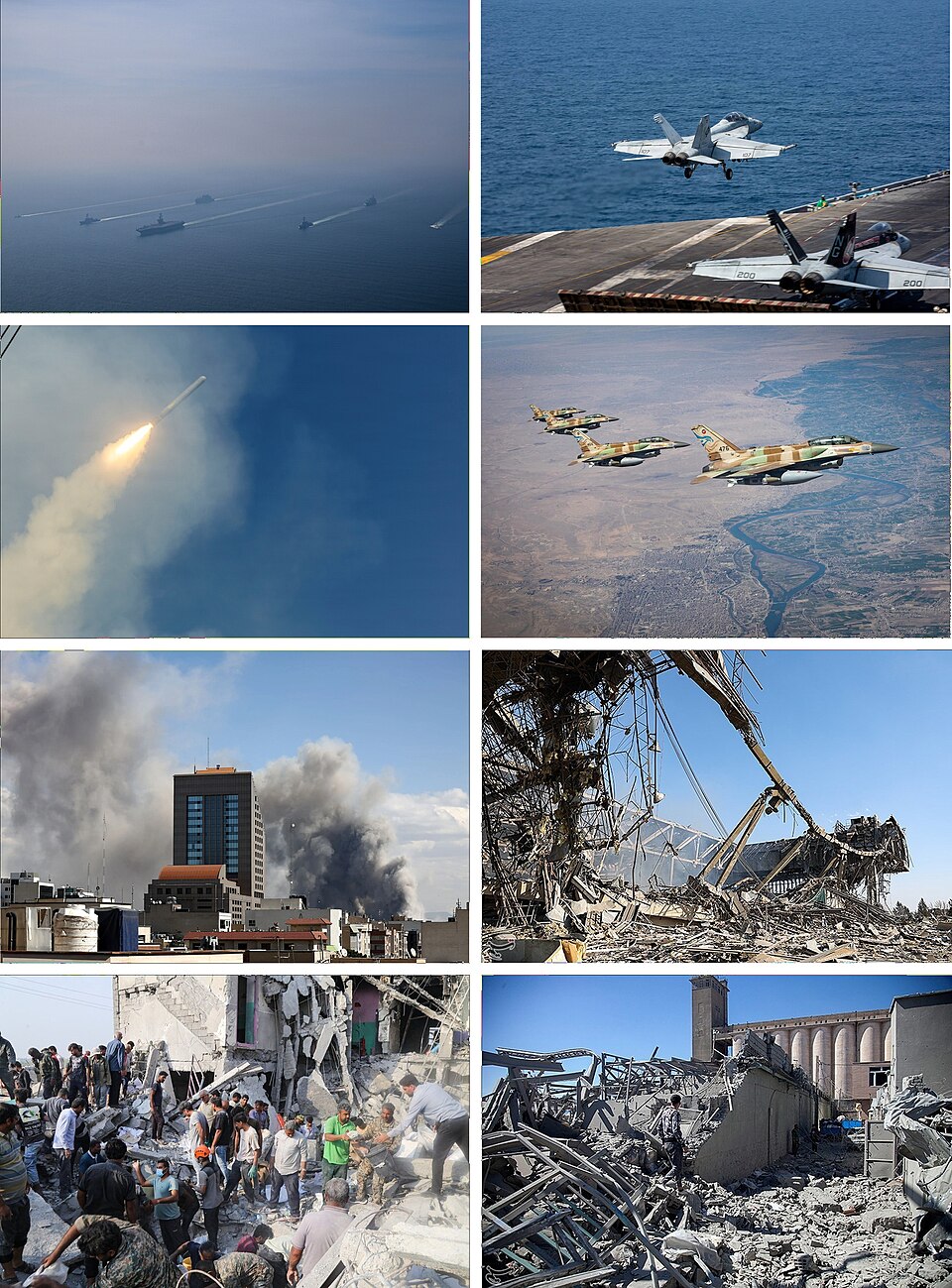
Recent events vividly illustrate this escalating danger. In a dramatic escalation, US and Israeli forces reportedly launched strikes against targets in Iran, resulting in the deaths of dozens of Iranian leaders. This act of aggression drew a swift and forceful response from Tehran. Iran retaliated with strikes against Israel, various Middle Eastern countries, and Western military bases scattered across the region. These exchanges underscore the perilous state of the
guerre moyen-orient iran, bringing the region to the brink of a wider, more devastating conflict. The consequences of such an escalation are profound, threatening global energy markets, international shipping lanes, and the lives of millions. For more context on these recent events, read about the
Middle East on Edge: US-Israel Strikes and Iran's Retaliation.
This direct exchange of hostilities highlights several critical risks:
- Miscalculation: The potential for either side to misinterpret the other's intentions or red lines, leading to an uncontrolled escalation.
- Regional Spillover: The risk that limited strikes could quickly draw in other regional actors, transforming localized conflicts into a broader regional war.
- Impact on Global Stability: The Middle East remains a vital nexus for global trade and energy, meaning any widespread conflict would have severe worldwide repercussions.
Beyond External Threats: The Challenge of Internal Unrest
Compounding the external pressures is the pervasive threat of growing political and social unrest, both within Iran and in countries where its proxy networks hold significant sway, such as Iraq and Lebanon. This internal discontent challenges the very legitimacy and sustainability of the militia system.
In Iran, economic hardship exacerbated by international sanctions, coupled with widespread corruption and limited political freedoms, has fueled popular protests. Many Iranians question the immense resources poured into supporting foreign proxies when domestic needs remain unmet. The financial burden of maintaining the Axis of Resistance becomes a point of contention, leading to disillusionment among a populace struggling with inflation and unemployment.
Similarly, in Iraq and Lebanon, where Iranian-backed militias wield significant power, public frustration is boiling over.
- In Iraq: While PMUs were instrumental against ISIS, their continued existence as parallel security forces, often perceived as loyal to Tehran rather than Baghdad, is viewed by many Iraqis as an impediment to national sovereignty and effective governance. Accusations of corruption and human rights abuses further erode their popular legitimacy.
- In Lebanon: Hezbollah's deep involvement in Lebanon's political system and its independent military posture are seen by many as a major factor contributing to the country's chronic political paralysis and economic collapse. Protesters frequently target the militia system, demanding greater accountability and an end to foreign interference.
This widespread unrest directly challenges the narrative and operational freedom of Iran's proxy forces, limiting their political maneuvering space and potentially weakening their support base.
Understanding these multifaceted dynamics is crucial for anyone seeking to grasp the complexities of the modern Middle East. The interplay between state-backed proxies, regional powers, and the aspirations of local populations creates an environment where practical advice is often to remain informed, to follow reputable news sources, and to recognize the intricate layers of causality in this perpetually evolving geopolitical landscape.
Conclusion
Iran's proxy power has been a formidable force in shaping the Middle East, allowing Tehran to extend its influence and achieve strategic objectives. However, the "Axis of Resistance" now faces a dual existential threat: a heightened and increasingly direct confrontation with the United States and Israel, as well as profound internal and regional socio-political unrest. The recent exchange of blows between Iran and its adversaries underscores the volatile nature of the Middle East, a region where the traditional lines between state and non-state actors are increasingly blurred. As Iran navigates these turbulent waters, the long-term sustainability of its proxy network and the potential for a wider, more devastating
guerre moyen-orient iran will remain critical questions for regional and global stability.