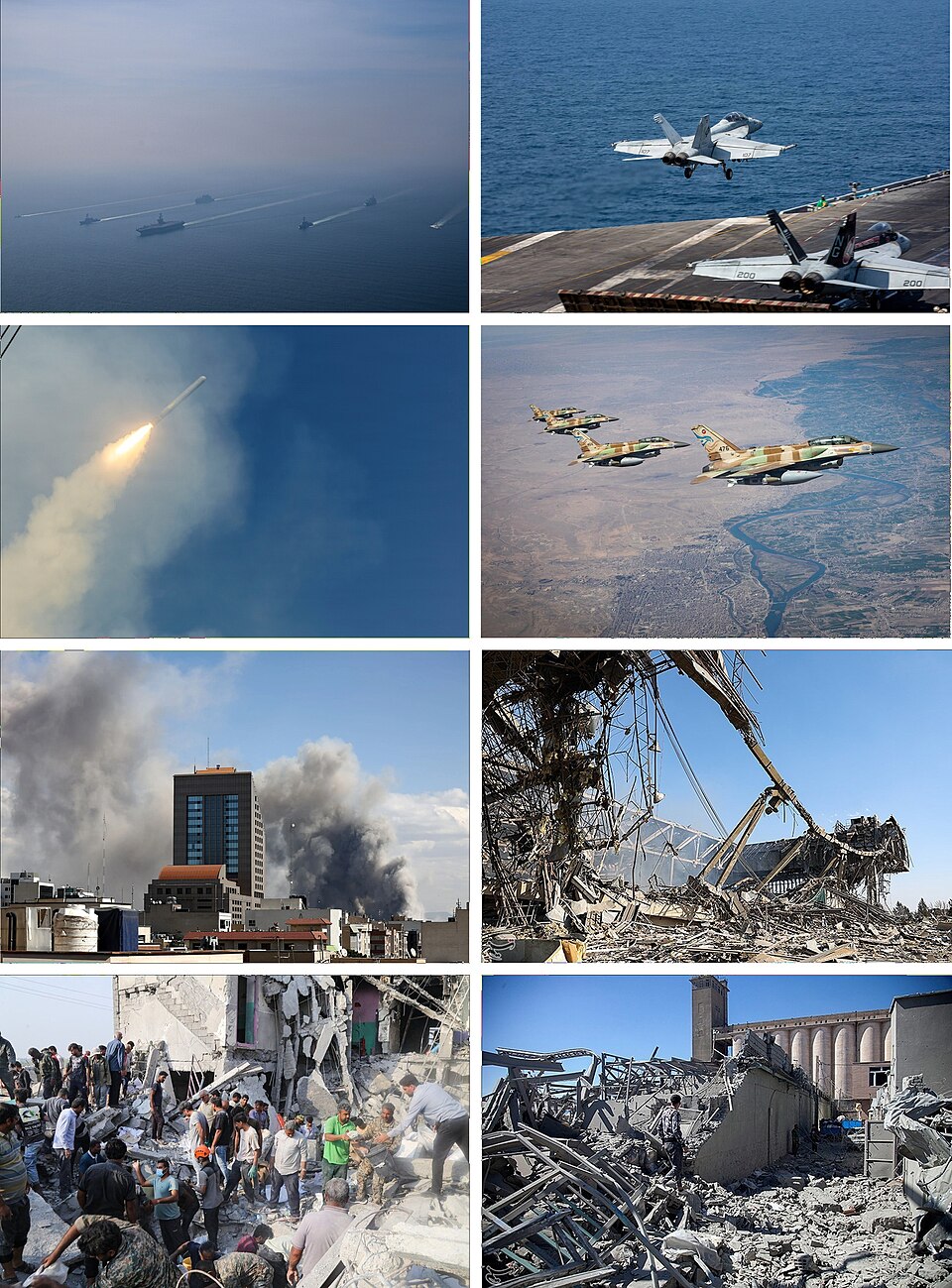
Iran's strategic approach to projecting power and influence across the Middle East has long revolved around its intricate network of aligned non-state actors, often collectively referred to as the "Axis of Resistance." This sophisticated strategy, meticulously cultivated over decades, has profoundly reshaped the regional geopolitical landscape and remains a central factor in any discussion concerning the ongoing guerre moyen-orient iran (Middle East war Iran) dynamic. From the shores of the Mediterranean to the Bab el-Mandeb Strait, Tehran's footprint extends through a web of political, material, and operational support, enabling it to challenge rivals, counter perceived threats, and advance its regional agenda without always resorting to direct state-on-state confrontation. While this model has secured significant successes, it now faces unprecedented internal and external pressures that threaten its long-term viability and operational effectiveness.
The Architecture of Influence: Iran's Proxy Strategy
At the heart of Iran's "Axis of Resistance" strategy lies the Islamic Revolutionary Guard Corps (IRGC) Quds Force. Established in the 1980s, the Quds Force functions as Iran's elite extraterritorial special operations unit, tasked explicitly with coordinating, training, and supporting allied militias and non-state actors across the Middle East and beyond. Its modus operandi involves a sophisticated blend of ideological alignment, material provisioning (weapons, funding, logistics), and operational guidance.
Iran's network is not monolithic; it comprises a diverse array of groups. Some, like the Lebanese Hezbollah, were foundational partners, heavily supported and nurtured by Iran since their inception. Hezbollah, with its advanced military capabilities, political influence in Lebanon, and strong ideological ties to Tehran, serves as a cornerstone of the Axis. Others, such as various Iraqi Popular Mobilization Units (PMU) like the Badr Organization, initially emerged from different contexts but became deeply integrated into Iran's paramilitary network, playing active roles in its expansion and structuring. Still, other partners are more opportunistic or transactional, aligning with Iran on specific issues or campaigns.
This proxy warfare model offers several strategic advantages for Iran:
- Plausible Deniability: It allows Iran to exert influence and engage in conflicts without direct attribution, minimizing the risk of retaliatory attacks on Iranian soil.
- Cost-Effectiveness: Funding and arming proxies is often less expensive than deploying and sustaining a large conventional military force abroad.
- Extended Reach: Proxies enable Iran to project power far beyond its borders, influencing events in distant theaters and challenging regional rivals like Saudi Arabia and Israel.
- Asymmetric Advantage: By leveraging non-state actors, Iran can counter the superior conventional military capabilities of its adversaries, creating complex and unpredictable battlefields.
Understanding this architecture is crucial for comprehending the multifaceted nature of the war in the Middle East involving Iran, where state and non-state actors often blur lines of combat and accountability.
A Track Record of Success: Expanding Iran's Regional Footprint
For several decades, Iran's Axis of Resistance has demonstrated undeniable effectiveness, achieving significant strategic objectives that have solidified Tehran's regional standing and altered the balance of power. These successes have been critical in shaping the contours of the broader Middle East conflict with Iran at its core.
Key Successes Include:
- Stabilizing the Syrian Regime: Facing a formidable insurgency backed by regional and international powers, the Assad regime in Syria was on the brink of collapse. Iran, through the Quds Force and its proxies, notably Hezbollah and various Iraqi and Afghan militias, provided crucial military and logistical support. This intervention, alongside Russian air power, was instrumental in turning the tide, preventing regime change, and preserving Iran's vital land bridge to Lebanon.
- Combating ISIS in Iraq: When the Islamic State (ISIS) swept across northern Iraq in 2014, threatening Baghdad and sacred Shiite shrines, Iran was among the first to respond. The Quds Force rapidly mobilized and organized Iraqi Shiite militias, forming the Popular Mobilization Forces (PMF). These groups played a pivotal role in halting ISIS's advance and subsequently liberating vast swathes of Iraqi territory. This strengthened Iran's influence within Iraq's security establishment and political landscape.
- Challenging the Saudi-led Intervention in Yemen: In Yemen, Iran has provided varying degrees of support to the Houthi movement, which has been locked in a protracted conflict with a Saudi Arabia-led coalition. While not as direct as in Syria or Iraq, this support, including the transfer of missile and drone technology, has enabled the Houthis to sustain their fight, launch sophisticated attacks deep into Saudi territory, and tie down a major regional rival, demonstrating Iran's ability to operate effectively in distant theaters.
These victories have not only prevented the collapse of key allies and countered hostile forces but have also showcased Iran's capacity to project power, influence outcomes, and challenge the regional status quo, fundamentally redefining the power dynamics in the Middle East.
Navigating Turbulent Waters: New Threats and Evolving Challenges
Despite its past successes, the "Axis of Resistance" now confronts a confluence of significant challenges that could test its resilience and potentially alter Iran's regional strategy. The geopolitical environment is more volatile than ever, making any discussion about the future of the guerre moyen-orient iran highly complex.
External Pressure: The US and Israel Confrontation
One of the most pressing threats comes from an intensified confrontation with the United States and its allies, particularly Israel. The era of the Trump administration saw a "maximum pressure" campaign that included severe sanctions, military buildups, and targeted strikes against Iranian figures and proxy assets. This aggressive stance has continued to some extent, leading to a high-stakes shadow war that occasionally flares into direct military exchanges.
Recent events, such as reported US and Israeli strikes against Iranian assets or leaders and subsequent Iranian retaliatory actions against Israeli targets or Western bases in the region, underscore the constant risk of escalation. This dynamic can be explored further in discussions like Middle East on Edge: US-Israel Strikes and Iran's Retaliation. The potential for miscalculation in this environment is immense, raising the specter of a broader, more overt conflict. For Iran, navigating this requires a delicate balance of deterrence and restraint, ensuring its proxies can inflict costs on adversaries without provoking an all-out war it cannot win.
Internal and Regional Unrest: The Erosion of Legitimacy
Perhaps an even more insidious threat comes from within, as growing political and social unrest challenges the militia system itself, both in Iran and in the countries where these networks are most dominant. This internal erosion of legitimacy is a critical factor in understanding Iran's Proxy Power: Facing US Confrontation and Regional Unrest.
- Within Iran: The Iranian public has expressed increasing frustration over economic hardship, corruption, and the perceived diversion of national resources to support foreign militias while domestic needs go unmet. Protests, though often brutally suppressed, highlight a societal fatigue with the current geopolitical strategy and its costs.
- In Iraq and Lebanon: In countries like Iraq and Lebanon, where Iranian-backed groups wield significant power, there is a growing backlash from local populations. Many view these militias as obstacles to state sovereignty, good governance, and economic recovery. Protests have frequently targeted these groups, accusing them of corruption, extrajudicial killings, and undermining national institutions. This popular discontent complicates Iran's ability to operate freely and risks alienating the very communities its proxies claim to protect.
The challenge for Iran is to maintain its influence through these networks while simultaneously managing widespread domestic and regional dissent. This dual pressure could force a reevaluation of the Axis of Resistance's operational model and its overarching strategic objectives.
The Economic Dimension: Sanctions, Oil, and Stability
While not explicitly detailed in the original context, the economic dimension is inextricably linked to Iran's proxy strategy and the broader guerre moyen-orient iran. Extensive international sanctions, particularly those targeting Iran's oil exports and financial sector, severely constrain Tehran's ability to fund its proxy network. This economic pressure can limit the material support Iran provides, potentially weakening its allies' capabilities and forcing them to seek alternative revenue streams, which might lead to further destabilization. Conversely, regional conflicts, partly fueled by the Axis of Resistance, can disrupt global oil supplies, causing price spikes that offer temporary relief to Iran's coffers, albeit at a high geopolitical cost. This complex interplay between economics and conflict underscores the fragility of the regional security architecture.
Conclusion
Iran's Axis of Resistance has been a cornerstone of its foreign policy, a potent tool that has allowed Tehran to navigate and shape the complex dynamics of the Middle East for decades. From its inception by the Quds Force to its instrumental role in pivotal conflicts like the Syrian civil war and the fight against ISIS, this network of non-state actors has undeniably expanded Iran's regional influence and secured crucial strategic victories. However, the landscape is shifting. The intensified confrontation with the United States and Israel, coupled with mounting political and social unrest both within Iran and in key proxy-dominated countries, presents unprecedented challenges to the Axis's efficacy and legitimacy. As Iran grapples with these converging pressures, the future of its proxy strategy and, by extension, the trajectory of the Middle East conflict involving Iran remains highly uncertain, poised at a critical juncture between continued resilience and potential transformation.